
Hypothermia in lambs – how to prevent it
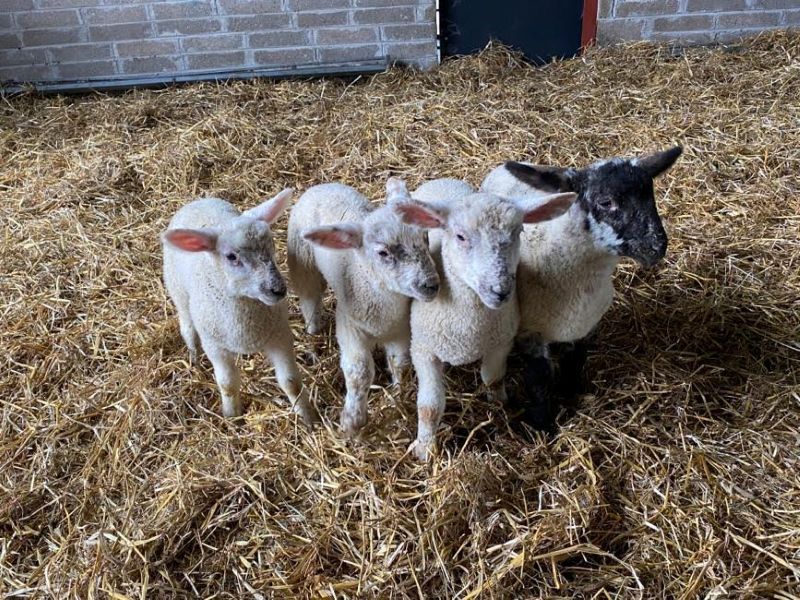
Hypothermia in lambs happens when the lambs body temperature drops below its normal body temperature of 38-39 degrees. The lamb cannot generate enough body heat to compensate for the heat loss. If the lamb does not have enough brown fat (this is a type of fat that the lamb is born with) or has received adequate colostrum, it is more at risk of not being able to generate body heat.
Hypothermia in lambs is known to be one of the main factors of lamb mortality in the first week of life. Mortality rates can be as high as 50% during the first 48 hours of life.

What are the causes of hypothermia in lambs?
- Environmental conditions – cold, wet weather, frozen ground. The lamb being let wet, rather than being dried by the ewe.
- Starvation – if the lamb has not received adequate colostrum, this is generally more common in multiple births.
Brown fat
All lambs are born with brown fat within their bodies. This is a vital fat that helps newborns survive, it is responsible for maintaining the lambs body temperature until they are able to feed. New born lambs have high stores of brown fat, but they burn it quickly. Most of the lambs brown fat stores are gone within the first three days of life.
Brown fat accounts for 60% of the heat lambs generate. New born lambs are more susceptible to heat loss because they have a larger surface area to body weight ratio. They loose heat at a much higher rate when they are wet compared to when they are dry. This is one of the reason why mothers lick their newborns to dry them.
What are the characteristics of a cold lamb?
- Weak/too weak to nurse
- Lethargic / hunched up
- Alone
- Cold mouth
- Rectal temperature below 39 degrees
Lambs that are at the greatest risk of getting hypothermia include;
- Multiples
- Small / weak premature lambs
- Lambs born from ewes in poor condition
- Lambs that have not received adequate colostrum
How do I treat hypothermia in lambs?
- Use a heat lamp or lamb warming box – be careful once the lamb has warmed up to not over heat it
- Seek vet advice regarding giving a warm glucose injection
Prevention
Although there is no magic prevention treatment for hypothermia, here are a few tips to help reduce incidences;
- Ensure ewes are in good condition prior to lambing, taking into account nutrition for multiples vs singles
- Ensure all lambs receive adequate colostrum within the first 6 hours of life, this can be through a stomach tube if you are unsure
- Use lamb macs to keep lambs dry if they are lambed outside for the first few days of life
- Treat any more susceptible lambs with additional care ensuring they are receiving enough milk and are kept warm and dry – this could be under a heat lamp.
Share Post: